
Feeding should feel simple and peaceful. When it is not, parents often start searching for answers fast. If your baby struggles to latch, makes clicking sounds at the breast or bottle, swallows air, or seems fussy with reflux, a restrictive tongue or lip tie could be part of the picture. Older children may compensate for years, facing speech challenges, picky eating, gagging, or dental spacing issues linked to a tight frenum.
This guide shares what to watch for, how a thorough evaluation works, and what families can expect from a gentle laser frenectomy at KIND SMILES. It is written for parents and professionals, including IBCLCs, speech-language pathologists, and pediatricians. Our goal is to help you decide with confidence when an assessment is appropriate.
At KIND SMILES in Irvine, a board-certified pediatric dentist provides functional assessments and minimally invasive laser releases with a calm, child-centered approach. Collaboration with IBCLCs or SLPs is built into our model of care, supporting your child before and after treatment.
What Tongue and Lip Ties Look Like at Different Ages
Restrictions vary, and not every short frenum is functionally significant. Signs often include a pattern rather than a single symptom:
- Infants: Shallow latch, clicking, prolonged feeds, slipping off breast or bottle, milk leaking, gassiness, reflux-like fussiness, poor weight gain, maternal nipple pain.
- Toddlers & Preschoolers: Picky eating, gagging on textures, difficulty clearing food, mouth breathing, drooling, dental decay in upper front teeth.
- School-age children: Speech distortions, tongue fatigue, difficulty elevating the tongue, oral tension, neck/jaw tightness, frustration with oral-motor tasks.
Multiple signs together indicate a functional evaluation may help clarify whether a tie is contributing.
What a Thorough Functional Evaluation Includes
At KIND SMILES, the visit typically includes:
- Medical, feeding, and therapy history, including birth details if relevant
- Observation of latch/bottle mechanics in infants and chewing/swallowing patterns in older children
- Examination of tongue and lip range of motion, elevation, lateralization, cupping, and oral tension
- Graded assessment of frenulum attachment, thickness, elasticity, and functional impact
- Screening for related contributors like nasal congestion, high palate, reflux, or multiple tethered sites
- Collaborative planning with your IBCLC or SLP, with referrals if needed
Families leave with clear guidance, photos if helpful, and a supportive plan. Not every child needs a release. Sometimes therapy alone or monitoring is appropriate.
How a Laser Frenectomy Differs from Traditional Methods
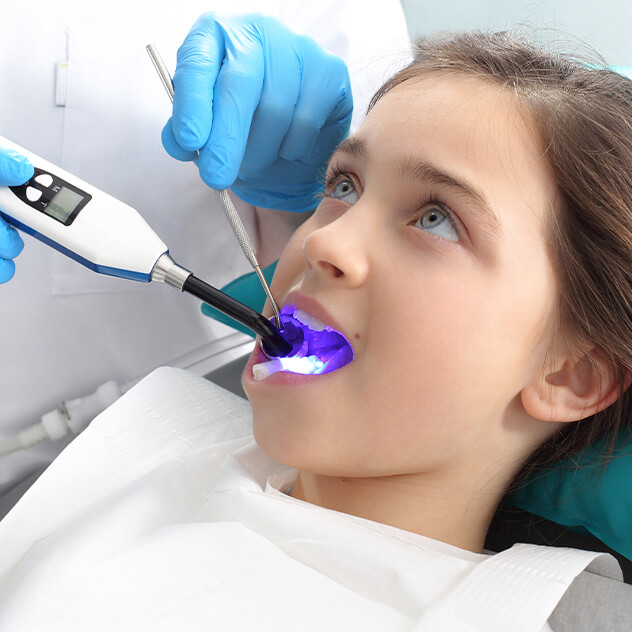
A frenectomy releases restrictive tissue under the tongue or upper lip to restore movement. KIND SMILES uses a dental laser (Solea) rather than scissors or scalpel in most cases. Benefits include:
- Precision and targeted tissue removal
- Minimal bleeding with excellent visibility
- Typically no sutures and shorter procedure time
- Reduced noise and vibration for sensory-sensitive children
- Faster initial healing compared to traditional methods
Infants often receive topical numbing and swaddling; older children may get local anesthetic. Sedation is available when clinically indicated and discussed carefully with families.
Will My Baby Be in Pain, and How Long is Recovery?
Most infants tolerate laser frenectomy well. Brief fussiness is expected during the first day or two. Many parents notice immediate improvement in latch, while others see gradual progress over several days.
- Healing: Initial surface healing in 1–2 weeks; full tissue remodeling over several weeks
- Support: IBCLC or SLP guidance helps optimize feeding and oral-motor function during recovery
Aftercare, Stretching, and Therapy Support
- Stretches: Simple exercises demonstrated by your clinician, most frequent in the first week
- Comfort care: Cool compresses, feeding-on-demand, skin-to-skin contact for infants; soft foods and hydration for older children
- Therapy: Pre- and post-release support from IBCLCs and SLPs enhances outcomes and recovery
- Special-needs families: Care is tailored to sensory preferences and routines; therapy dog Mochi is available on select days
When to Schedule an Evaluation, and What to Expect at KIND SMILES
Schedule an assessment if you notice multiple feeding challenges, persistent maternal discomfort, or ongoing speech/chewing issues in older children.
During the visit:
- Functional exam by a board-certified pediatric dentist
- Clear explanation of findings and options
- Same-day infant releases often possible with topical numbing
- Comfort options for older children, including nitrous oxide or sedation
- Collaborative aftercare planning with IBCLC or SLP
How KIND SMILES Collaborates with Your Care Team
We coordinate with IBCLCs and SLPs before and after release, sharing findings when authorized. Local pediatricians and therapists can refer directly. Your child’s plan focuses on function, not just appearance.
Quick FAQ
- Signs of tongue or lip ties: Shallow latch, clicking, gassiness, reflux, milk leaking, picky eating, gagging, speech clarity issues, tongue fatigue, dental decay
- Laser vs traditional methods: Laser allows precise, minimally invasive release with minimal bleeding, often no sutures, and faster healing
- Pain and recovery: Brief fussiness expected; surface healing 1–2 weeks; therapy and comfort measures support recovery
- Therapy: Recommended both pre- and post-release for optimal function
- Evaluation: Consider when symptoms persist; same-day infant releases often possible
Next Steps
If you are concerned about tongue or lip ties, feeding challenges, or oral function, KIND SMILES provides gentle evaluation and evidence-informed care.
- Call or text 949-561-1088 to schedule an assessment
- Pediatric dentistry services for ongoing care are available through our Irvine clinic
- Coordinated care integrates pediatric dentistry and on-site orthodontics for families in the area