
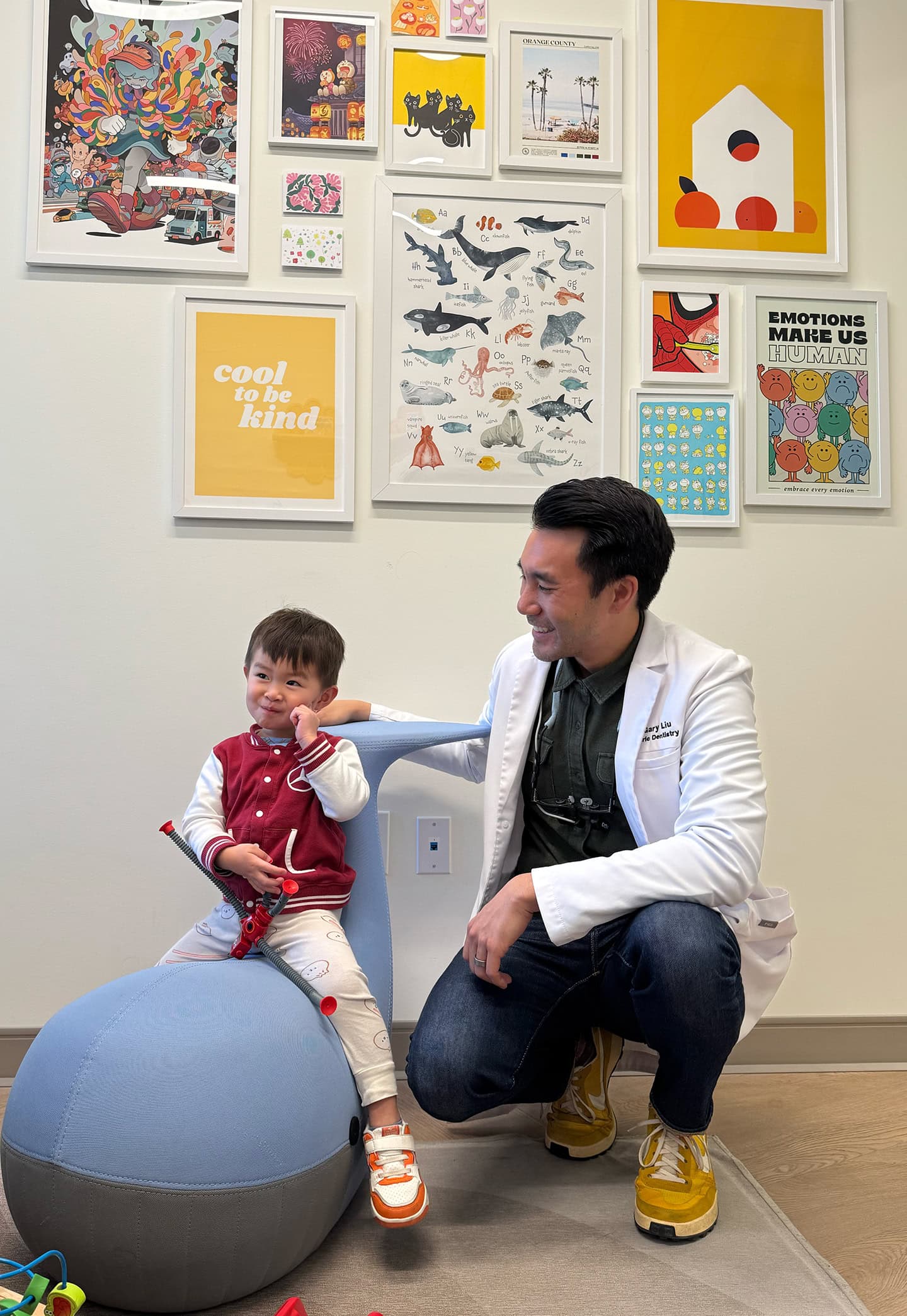
A good dental visit for a child with special needs starts before the appointment. Share your child’s medical history, communication style and triggers with the dental team, ask how the visit can be adapted and decide together whether sedation is needed.
Every child is different, and so is every family’s experience with the dentist. Some children are calm with a predictable routine; others find the lights, sounds and touch of a dental chair overwhelming. This guide is for parents and caregivers who want to plan ahead: what to tell the office, what a well-run visit looks like, when sedation makes sense and how to keep teeth healthy between appointments.
Why Does a Special Needs Dental Visit Need Extra Planning?
Dental care matters for everyone, and that is especially true for children with unique behavioral, developmental or medical conditions. Oral health problems can be harder to spot when a child cannot easily describe pain, and some medications and conditions raise the risk of cavities or gum problems.
The visit itself can also be a sensory challenge. Bright overhead lights, unfamiliar tastes, the feel of instruments and the sound of equipment all arrive at once. For a child with sensory sensitivities, that can turn a routine cleaning into a very hard morning. Planning lets the team reduce what it can and prepare your child for the rest.
First impressions last, too. If a team does not understand the complexities a child faces, the visit can leave a poor impression of dental care that makes every future appointment harder. A positive, patient experience early on is one of the best investments you can make in your child’s long-term oral health.
What Should You Tell the Dental Office Before the Visit?
You know your child better than anyone. The more of that knowledge the team has ahead of time, the more they can adapt. Consider sharing:
- Diagnoses and medical history, including heart conditions, seizures, allergies and any recent hospital stays.
- Current medications, since some cause dry mouth or affect gums, and some matter for sedation planning.
- How your child communicates: words, signs, a device or picture cards, and how they show pain or that they need a break.
- Known triggers and comforts: noises, being touched on the face, waiting rooms, a favorite toy, song or video.
- What has and has not worked at previous dental or medical visits.
Timing is worth a conversation as well. Many families find early appointments work best, before a child is tired and before the office gets busy. Ask for the time slot that fits your child’s routine, and let the office know if a shorter visit is more realistic than a long one.
It also helps to ask what the first visit will include. For some children, an appointment that is mostly about meeting the team and sitting in the chair is more valuable than trying to complete everything at once. Ask whether that kind of step-by-step approach is an option.
How Can You Help Your Child Know What to Expect?
Predictability is calming for many children with special needs. A little preparation in the days before the visit can turn an unknown place into a familiar one.
A short, simple picture story is a good place to start. Show each step in order: arriving, sitting in the waiting room, sitting in the big chair, opening wide, counting teeth and going home. That gives your child a script to follow, and the photos of our office and team on our website can help make it concrete.
Then practice the pieces at home. Take turns counting each other’s teeth with a finger or toothbrush, practice lying back on a couch while you look in their mouth with a flashlight, and let your child try opening wide in front of a mirror. Short, playful practice sessions over a week tend to work better than one long rehearsal.
On the day itself, keep everything else as calm and routine as possible. Bring headphones, a weighted lap item or whatever usually helps your child regulate, and plan something your child enjoys for afterward so the visit has a clear, positive ending.
How Can the Visit Be Adapted for Your Child?
At KIND SMILES, our clinic staff watch for signs of dental anxiety and gently defuse them through distraction, education or relaxation techniques. What that looks like depends on your child.
Often it starts with explaining before doing. Showing a child an instrument, letting them touch it and then using it, one step at a time, takes the surprise out of the visit. Simple, consistent words help, and so does letting your child know they can signal for a pause.
The equipment matters as well. We use a dental laser at our office, which does away with the need for injections and drills in most cases. That removes many of the noises and sensations that tend to be most jarring, and you can read how laser dentistry works before you come in.
Some children respond best to a friendly face on four legs. Mochi, our sheepadoodle, is the practice’s official anti-anxiety officer. He is hypoallergenic and loves to cuddle, and you can ask to book your visit with him. You can meet him, along with our doctors and team, before the appointment.
If your child is anxious in general rather than because of a specific condition, our guide on helping a child who is scared of the dentist covers preparation at home in more detail.
When Is Sedation the Right Choice?
Sometimes a child is too anxious, or is unable to cooperate for the length of an appointment because of their needs, even with every adaptation in place. In those cases sedation can make treatment safe and soothing rather than distressing.
| Nitrous oxide (laughing gas) | IV sedation | |
|---|---|---|
| How your child feels | Awake, relaxed and care-free | Asleep for the whole procedure |
| Where it happens | In our Irvine office, through a small nasal mask | In our Irvine office, through an IV line |
| Often a fit for | Mild to moderate nervousness | Very young children, extreme anxiety, special needs or extensive treatment |
| Things to weigh | Not effective for severe anxiety, discomfort with a nasal mask or nasal congestion | More risks than nitrous oxide, so Dr. Gary reviews the pros and cons with you first |
| Afterward | Easy to adjust and quick to wear off | A recovery period before going home |
IV sedation can sound like a big step, but for some children it is the kinder option. Without sedation, a child who cannot tolerate treatment may need several separate visits, or may need to be restrained for their safety, which can be physically and emotionally traumatic. Dr. Gary has specialized training in IV sedation and will help you understand your options. Both methods are covered in more depth on our pediatric sedation overview and in our post on whether dental sedation is safe for kids.
How Can You Keep Teeth Healthy Between Visits?
Home care is where most of the protection against cavities happens, and it often needs a little creativity.
Predictability helps here just as it does at the office. Brush at the same times and in the same order every day. Some children accept brushing better sitting on the floor with their head in a parent’s lap, or standing in front of a mirror where they can see what is happening. A visual schedule or a short song can mark the start and finish.
If brushing is still a struggle, try different tools. Soft bristles, a smaller head, a flavor-free or mild toothpaste, or an electric brush can make the difference for a child with sensory sensitivities. Introduce one change at a time so you can tell what is working.
Snacks and drinks matter too. Frequent snacking and sweet drinks between meals keep teeth under constant attack. If your child uses food rewards in therapy, ask your care team about tooth-friendly options.
Regular pediatric dental exams round it out. They catch small problems early, when treatment is quicker and easier. Familiarity also helps: the more routine the visits become, the more manageable they tend to feel.
Frequently Asked Questions
Can you treat children with autism or sensory processing differences?
Our team is experienced in providing positive dental experiences for children in the special needs community, including children with unique behavioral and psychological conditions. If you have questions about your child’s specific needs, call us before booking and we will talk it through.
What treatments are available?
We offer comprehensive restorative, cosmetic and surgical pediatric dentistry for children with special needs, from exams and cleanings to fillings and other restorations.
Should my child have sedation for a cleaning?
Not necessarily. Many children manage routine care with adaptations alone. Sedation is usually considered when treatment is extensive or a child cannot safely tolerate the visit. Dr. Gary will only recommend it if he believes your child will truly benefit.
Can I stay with my child?
Ask us about this when you book. Telling us what helps your child feel secure is part of planning the visit.
Talk With Our Team — We Are Glad to Help
If you are wondering whether we can meet your child’s needs, we would love to hear from you. Learn more about our approach to special needs dentistry, contact our team with questions, or book a pediatric appointment. You can also call our Irvine office at (949) 561-1088.